
The Board of Elementary and Secondary Education held their October regular meeting on October 27 at the Anne T. Dunphy School in Williamsburg. The agenda can be found here. A video recording can be found here.
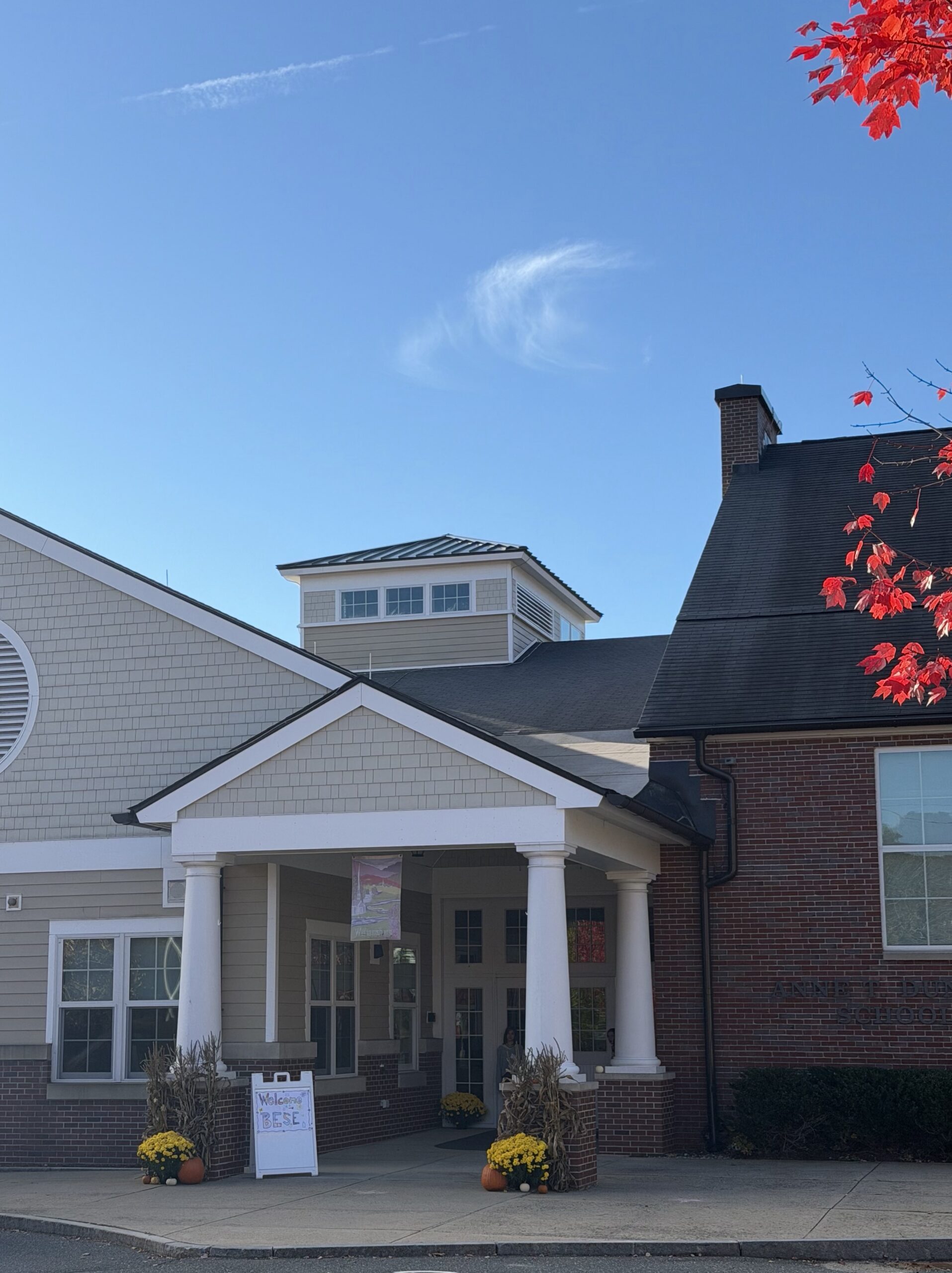
The Board was welcomed to Williamsburg by Representative Lindsay Sabadosa (1st Hampshire). The select chorus from Hampshire Regional High School led those attending in the National Anthem, and then sang a song in Hebrew for which the lyrics in English are “the world is sustained by three things: justice, peace, and truth,” a message the students felt particularly important “in these times.” A welcome was also extended by building principal Stacey Jenkins, who, having been asked to speak about the school’s drop on chronic absenteeism, said there was no program,; “it’s not flashy; it’s not something out of the box” but that it is caring about how every student is. She also noted the importance of rural aid in keeping staffing to do so.
Public comment was offered on third grade ELA MCAS scores, rural schools, the impact of race and poverty on outcomes, competency-based assessment, as well as students who have IEPs possibly losing access to services before age 22 if they graduate from high school.
Both the Secretary and the Commissioner spoke of the visits to schools they have made since the last meeting. The Secretary also spoke of the state’s challenge to districts to raise Breakfast after the Bell participation to 60% of students, as well as announcing that community colleges have an additional 27, 000 students since 2022.
Sara Khan, student member and chair of the State Student Advisory Council, spoke of the work of the Council going into this school year. They gathered for a summer retreat, analyzing a great deal of data. They plan to focus this year on academic climate. While council members are still analyzing data, they shortly will be transition to the phase of regional meetings to gather stakeholder input, to which they will invite Board members.
The Board spent the largest part of the meeting on MassCore and MyCap. Saying, the theme of the year is “the agency setting conditions to change practices in the field,” the Commissioner intends to, at the November meeting of the Board, propose regulations which would require every high school to offer–though not require students to take, as that exceed their authority without legislation–both the coursework necessary for students to graduate having taken all courses required for MassCore and to have completed MyCap. It was not discussed if this requirement of high schools exceeds the Board’s authority without new legislation. (Ed. note: this lengthy presentation is not yet available electronically; this will be updated once it is.)
In both cases, the requirement itself was reviewed, and then a higher ed researcher reviewed work they have done regarding the proposed requirement. The Department has already sent a workbook out to superintendents for them to review how closely their current district graduation requirements and offerings match the graduation council’s proposed graduation requirements, a collection of data the Department, per the presentation, intends to use “to inform future guidance and targeted supports.”
Regarding MassCore, the summary of research is: MCAS test scores, course grades, and MassCore completion are all strong predictors of later college outcomes; students in schools with high MassCore completion rates are more likely to graduate from college, but must of this is explained by peer characteristics; high school immigrant newcomers and students with disabilities in partially/fully separate classrooms have low MassCore completion rates, even when compared to peers with similar test scores in the same school; MassCore completion hinges on access to aligned courses and passing those courses.
Regarding MyCap, most states in the country either offer or require some sort of individual high school plan. Included in the MyCap rubric are state learning objectives; domains; state milestones; suggested activities; locally developed objectives, milestones, activities. The presenter stressed a number of times that it was important for this “not [to] become just a compliance activity.” There was also significant stress on the role of the school counselor in this work, as they play a central role in implementation.
In the ensuing discussion, Member West said of state mandates, “it’s easy to make people do things; it’s hard to make them do it well.” Members discussed the relevance of MyCap completion to the students, with Member Smidy noting that students not feeling it was valuable and useful would be of concern. Member Rocha’s question of cost was unanswered, but it was echoed later by Sara Khan, the student representative, who, speaking of the implementation of MassCore, spoke of the difficulty of implementation for districts that don’t have it now, observing that her own districts and others have been laying off teachers, not hiring additional staff to implement additional courses. Chair Craven wondered how to implement this such that “it doesn’t become an immediate rejection,” as districts see it as an unfunded mandate.
The Board also voted to send out for public comment proposed new and revised regulations implementing the new state literacy law, which requires adoption of early grade ELA curricula from a Department-approved list. As yet, this list has not been published. The Department also is required to provide a free state-created curriculum that aligns with the new law, which they expect to prepared in January. The proposed new regulations, 603 CMR 58.00, can be found here. There are also small revisions to 603 CMR 7.00 to include reviewing ed prep programs for “evidence-based literacy instruction”; to 603 CMR 28.00 to move early literacy screening from this section to the new section; and 603 CMR 55.00 to add a reference to the law to add a “new evidence-based intervention for the SOA plans.” There was a brief discussion by Board members regarding if a school committee would have to vote to request a waiver if one were being submitted; the response from the Department was that school committees vote on different things and this could not be required. There was speculation by a member that requiring such a public process might make district less likely to submit them. The staff presenting said that they did “expect that few waivers would be granted,” particularly as it will be difficult for districts to show “evidence-based practices” and to meet student result requirements.
Public comment on the proposed and amended regulations can now be submitted to instructionalsupport@mass.gov; public comment is open through December 28, and it is expected that the Board will vote on the regulations at their meeting on January 19, 2027.
The Board also approved a waiver of the due date of charter schools’ annual audits. This is due, as it was last year, to the federal government not issuing required key guidance from the U.S. Office of Management and Budget.
The meeting then adjourned. The Board will next meet on November 17, and it is anticipated that this meeting will be held in Lawrence.